Chicovery

Treatments

Explore specialised treatment pathways combining conventional medicine, innovative therapies, intensive rehabilitation and selected Chinese treatment methods.

Neurological recovery after stroke
CHICOVERY

Neurological recovery after stroke

An intensive recovery pathway for patients with persistent motor, speech, swallowing or functional limitations after stroke. The emphasis is on measurable neurorehabilitation, with specialised Chinese treatment methods used only as an adjunct to conventional rehabilitation.

Evidence status: Evidence-informed adjunctive care


Psoriasis and complex skin diseases
CHICOVERY

Psoriasis and complex skin diseases

For patients with moderate to severe psoriasis, China may be of interest because of the combination of modern dermatology, newer locally available biologics, phototherapy and specialised dermatological TCM techniques.

Evidence status: Strong conventional options + meaningful integrative adjunct
Chronic pain, CRPS and neuropathy
CHICOVERY

Chronic pain, CRPS and neuropathy

For persistent neuropathic pain, an intensive combined programme may be relevant when medication, conventional pain care and rehabilitation have produced insufficient results. In China, conventional pain techniques are often combined with specialised forms of acupuncture and daily rehabilitation.

Evidence status: Selected indications; integrated approach
Intensive medical rehabilitation
CHICOVERY

Intensive medical rehabilitation

For patients who receive insufficient treatment intensity in Europe, a temporary daily rehabilitation programme with physiotherapy, occupational therapy, speech therapy and specialist supervision may offer a practical advantage.

Evidence status: Conventional evidence-based care
Healthy Aging 60+
CHICOVERY

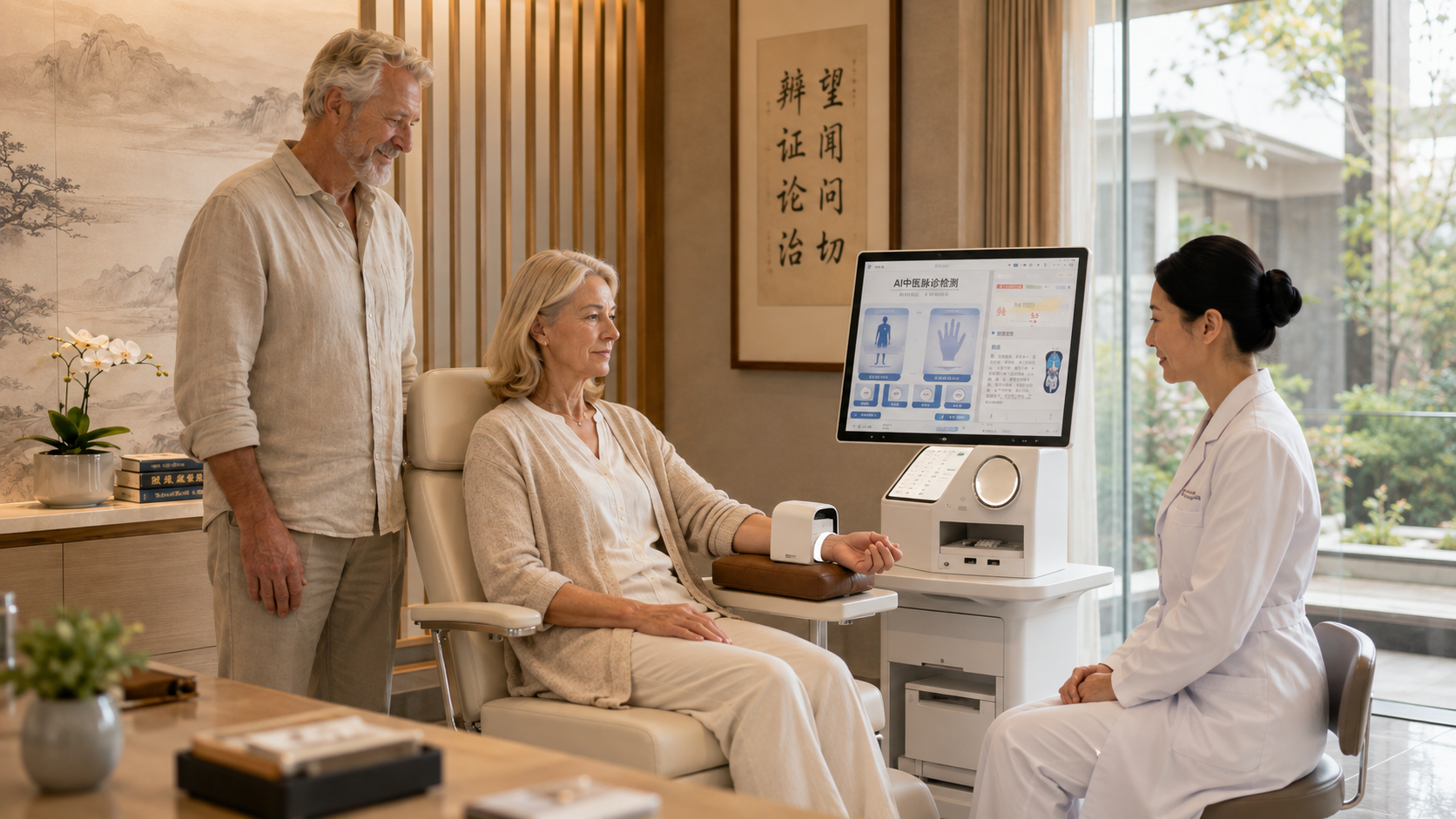
Healthy Aging 60+

A complete medical reassessment for people over 60 who are experiencing physical decline, have multiple diagnoses or medications, and want their health reviewed comprehensively. Not a wellness concept, but geriatrics, internal medicine, pharmacology and lifestyle in one pathway.

Evidence status: Strong foundation in geriatrics and medication optimisation
MCI, vascular cognitive decline and early Alzheimer’s disease
CHICOVERY

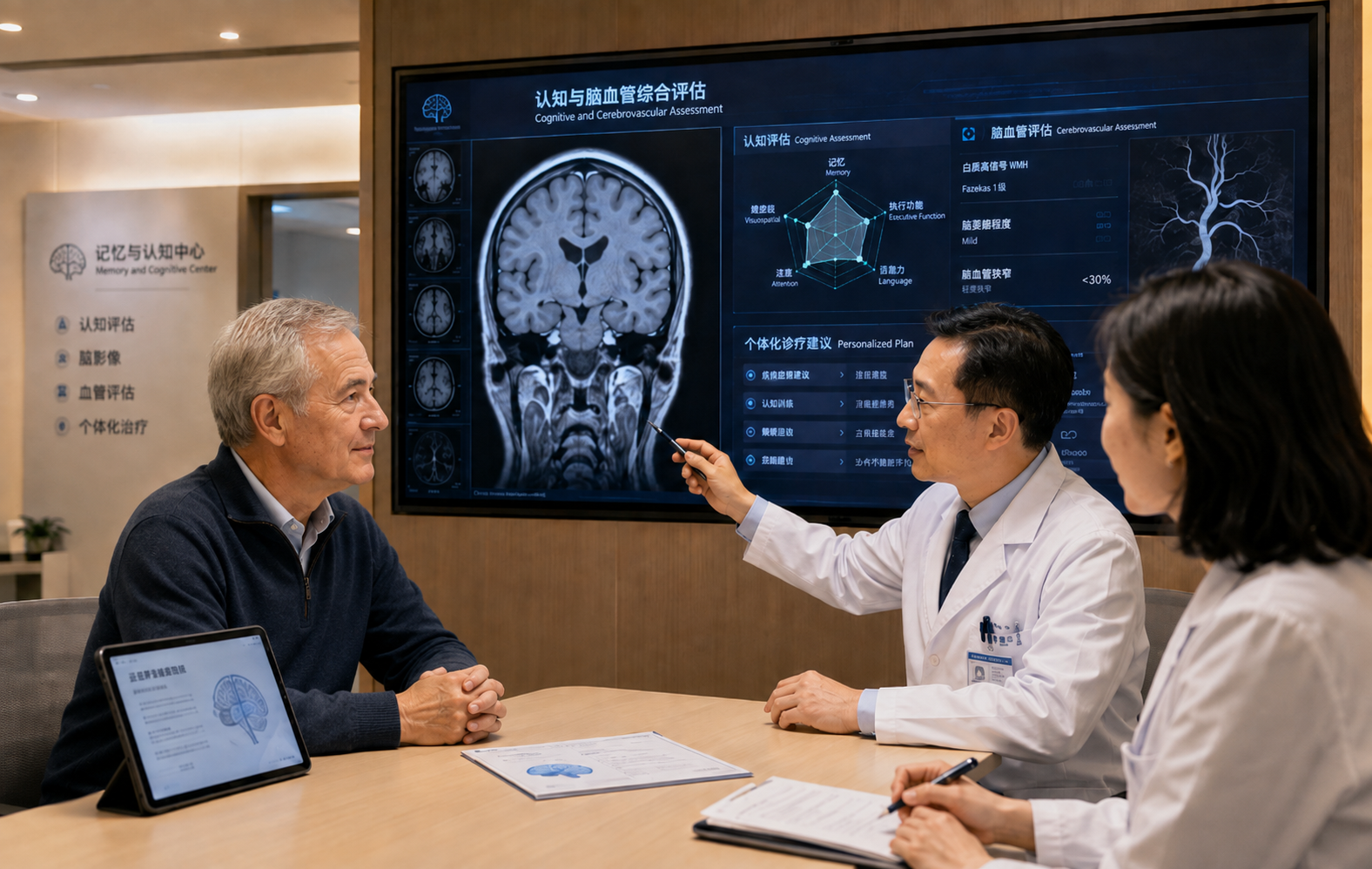
MCI, vascular cognitive decline and early Alzheimer’s disease

Early cognitive decline deserves a broader analysis than simply asking whether someone has Alzheimer’s disease. Vascular damage, sleep, medication, blood pressure, metabolic factors and neurodegeneration may all contribute.

Evidence status: Conventional diagnostics + China-specific treatment options
Parkinson’s disease and loss of motor function
CHICOVERY

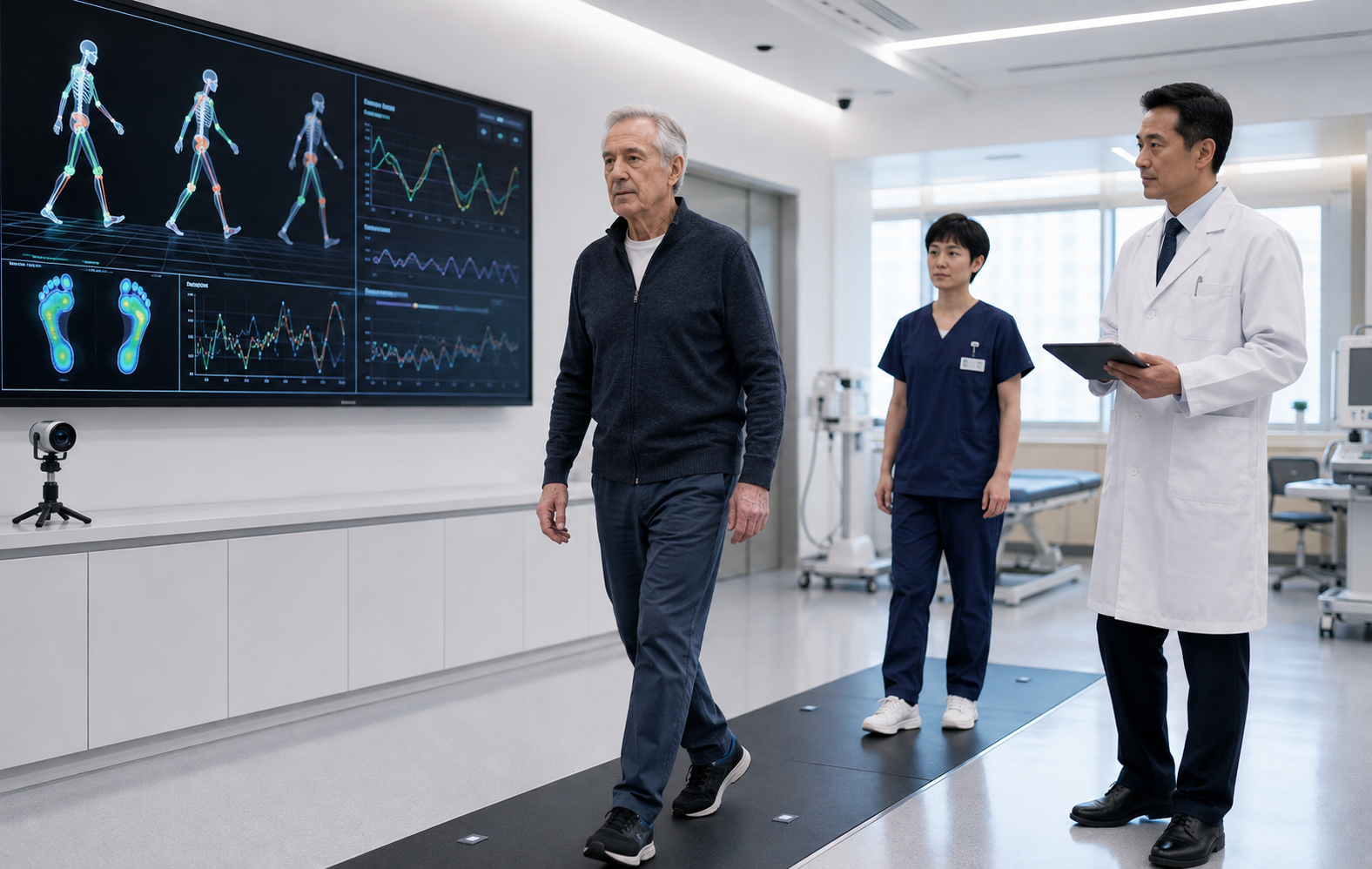
Parkinson’s disease and loss of motor function

Medication remains the foundation of Parkinson’s treatment, but some patients continue to experience freezing, balance problems, stiffness, fluctuations or reduced mobility. China is investigating specialised needling techniques and intensive movement programmes as adjunctive approaches.

Evidence status: Adjunct to conventional neurological treatment
ADHD: non-stimulant and integrative treatment
CHICOVERY

ADHD: non-stimulant and integrative treatment

For parents who deliberately want to explore a non-stimulant route first, China may be of interest because of the combination of child psychiatric assessment, behavioural therapy and standardised Chinese medicinal products such as Jingling Oral Liquid.

Evidence status: Promising, but not a proven replacement for standard medication
Access to advanced oncology treatments
CHICOVERY

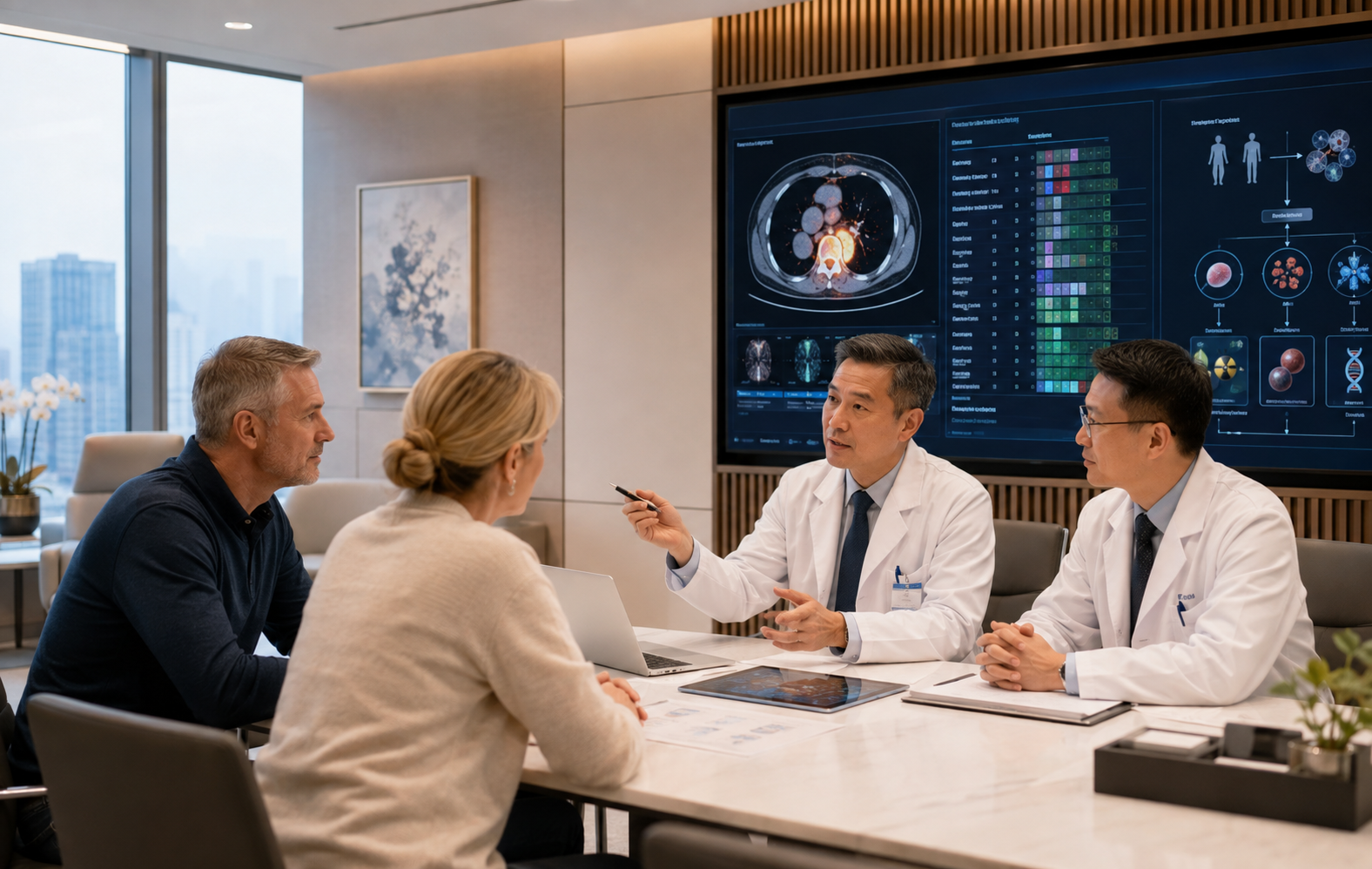
Access to advanced oncology treatments

China is rapidly developing new cellular therapies, targeted medicines and advanced radiotherapy techniques. For selected patients, this may provide access to treatment that is not yet available in Europe, is difficult to access or is considerably more expensive.

Evidence status: Highly indication-dependent; from established to experimental
Breast implant and silicone complications
CHICOVERY

Breast implant and silicone complications

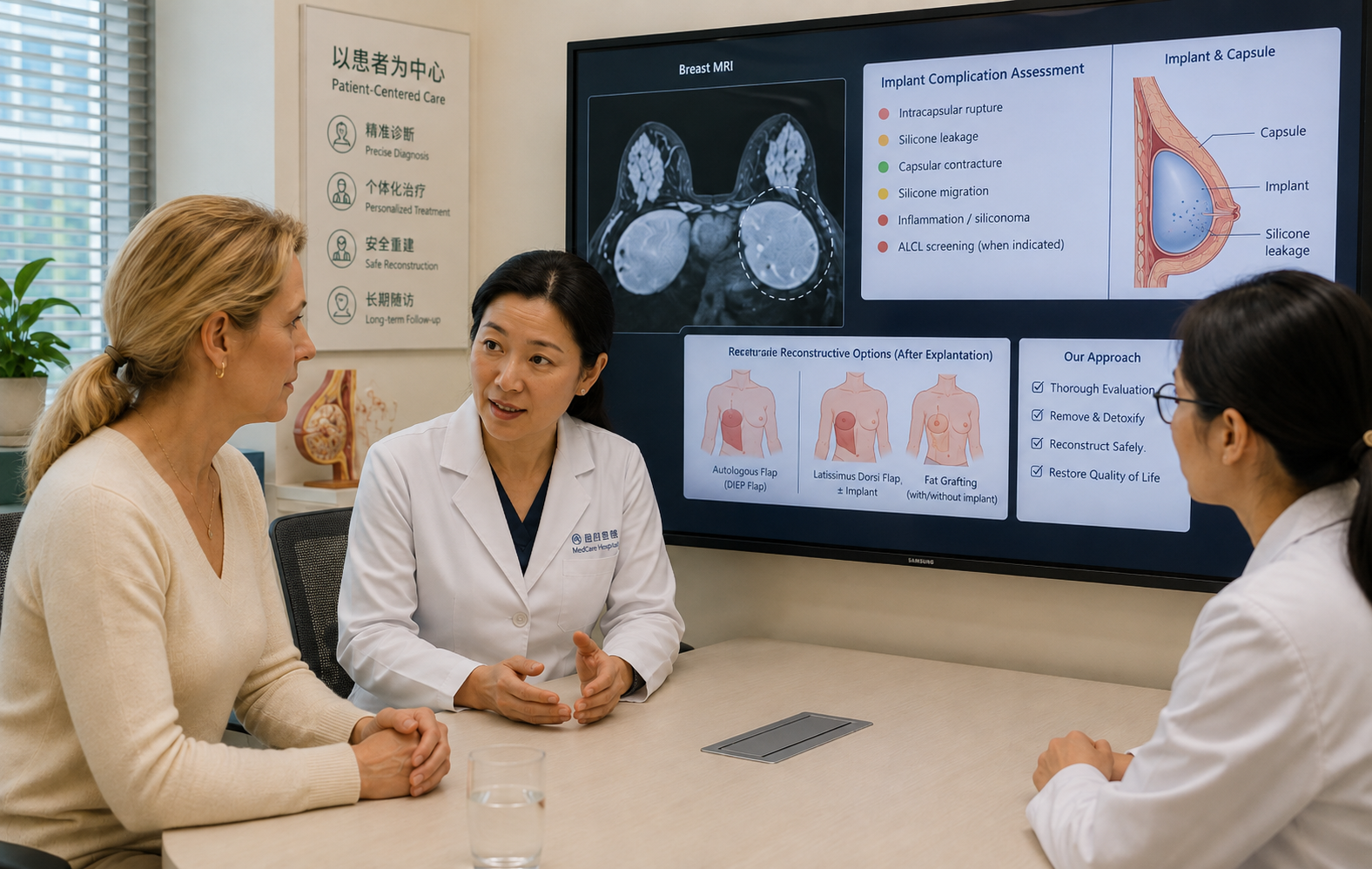
In cases of rupture, gel bleed, siliconoma, capsular problems, migration or complex symptoms after implants, a specialised reconstructive and diagnostic pathway may be required. The aim is to identify and treat anatomical damage, not to offer an unproven ‘silicone detox’.

Evidence status: Specialist surgery and diagnostics
Adenomyosis, fibroids and uterus-preserving HIFU
CHICOVERY

Adenomyosis, fibroids and uterus-preserving HIFU

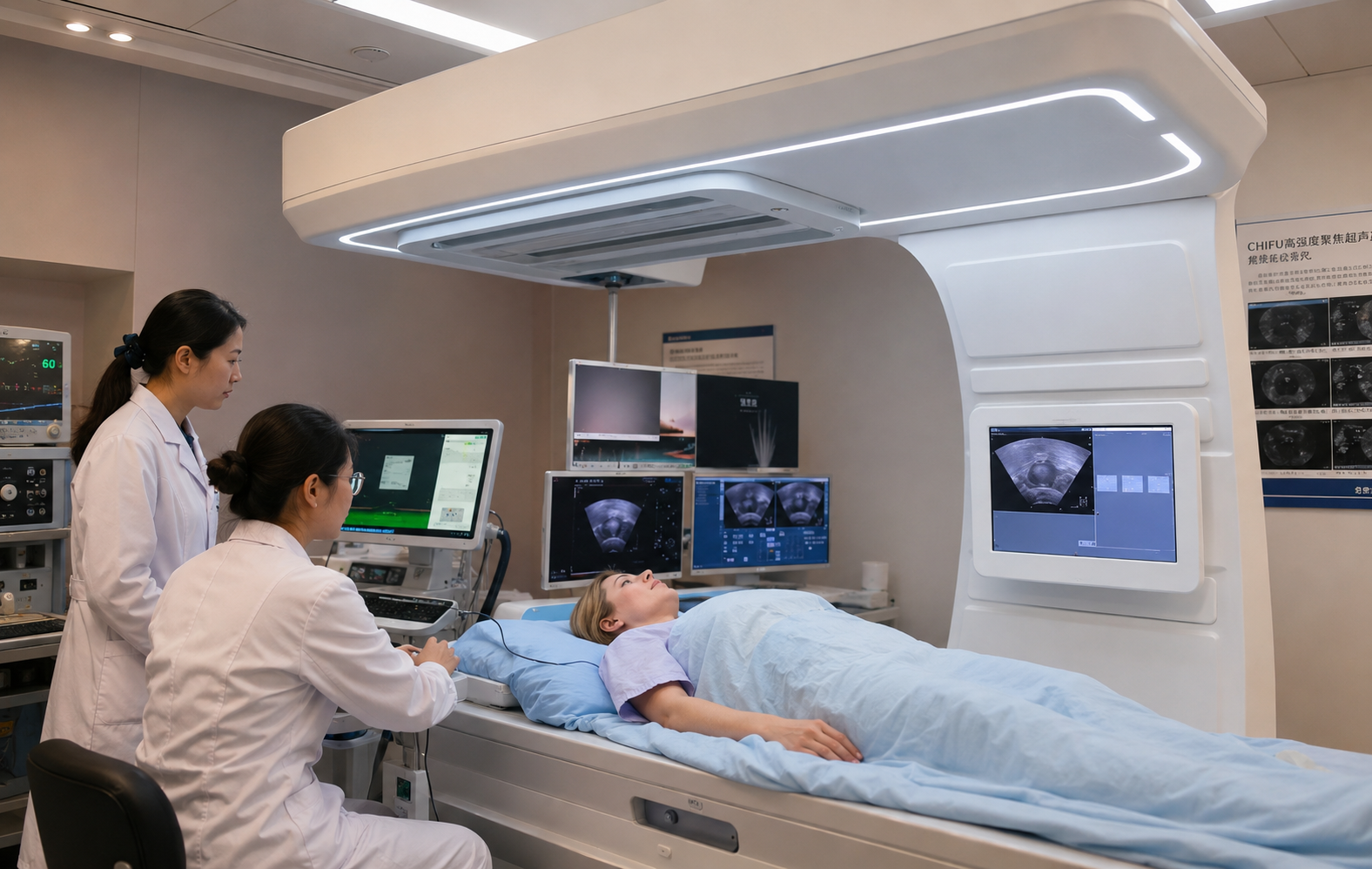
China has extensive experience with high-intensity focused ultrasound in selected women with uterine fibroids and adenomyosis. It may be relevant for patients seeking a uterus-preserving, non-invasive treatment option.

Evidence status: Established technology for selected indications
Treatment-resistant psychiatry and neuromodulation
CHICOVERY

Treatment-resistant psychiatry and neuromodulation

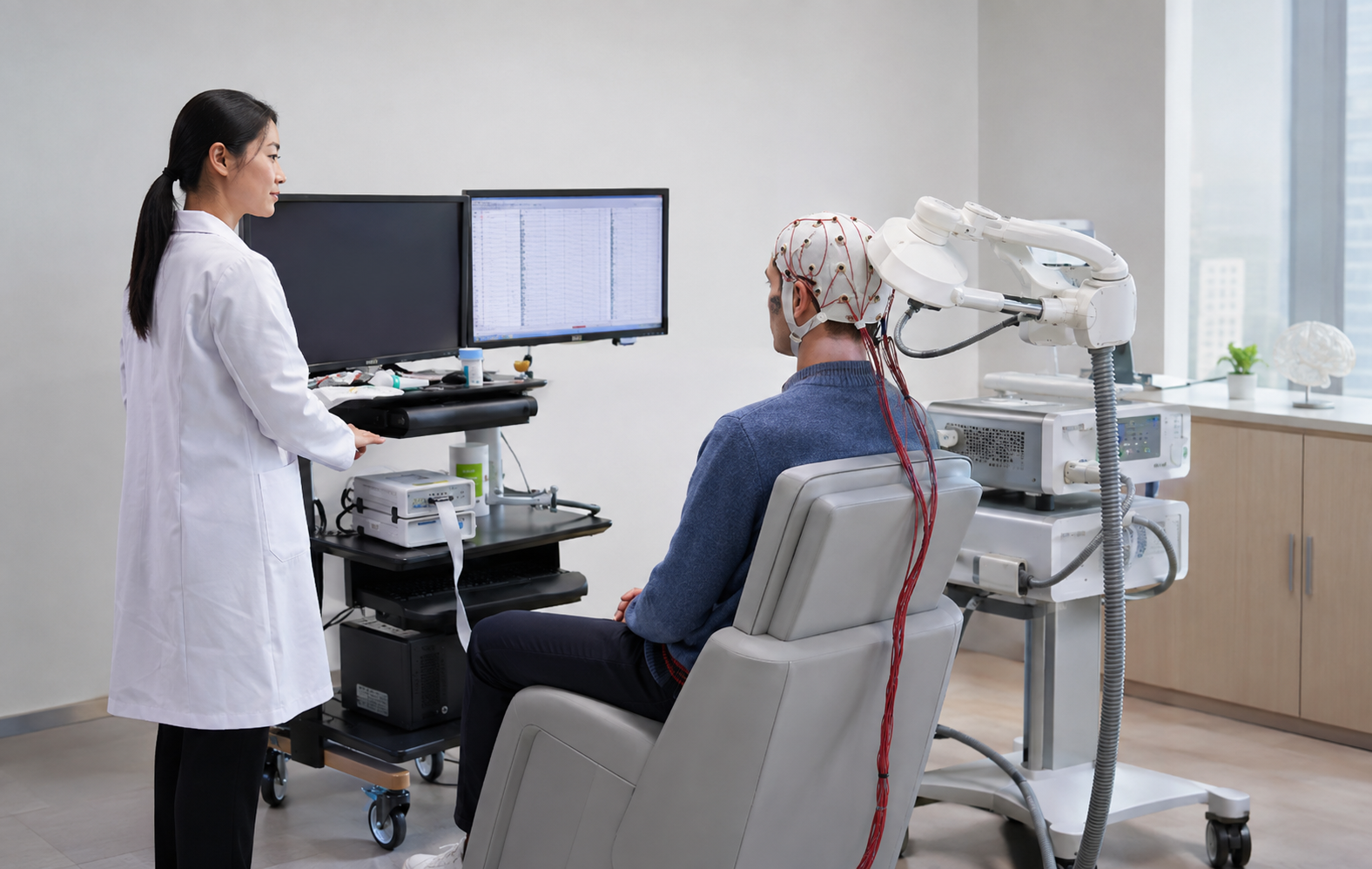
For a small group of patients with extremely treatment-resistant OCD, depression or other severe psychiatric disorders, China is investigating advanced neuromodulation such as DBS and focused ultrasound. This is not a pathway for routine first-line psychiatric care.

Evidence status: Highly specialised / partly experimental
Rare diseases, cell and gene therapy
CHICOVERY

Rare diseases, cell and gene therapy

China has a rapidly expanding pipeline of cell and gene therapies. For some rare conditions, a patient may be able to access a regulated product or clinical trial that is not yet available in Europe or is difficult to access in practice.

Evidence status: Access to regulated or trial-based innovation
Tinnitus and complex hearing complaints
CHICOVERY

Tinnitus and complex hearing complaints

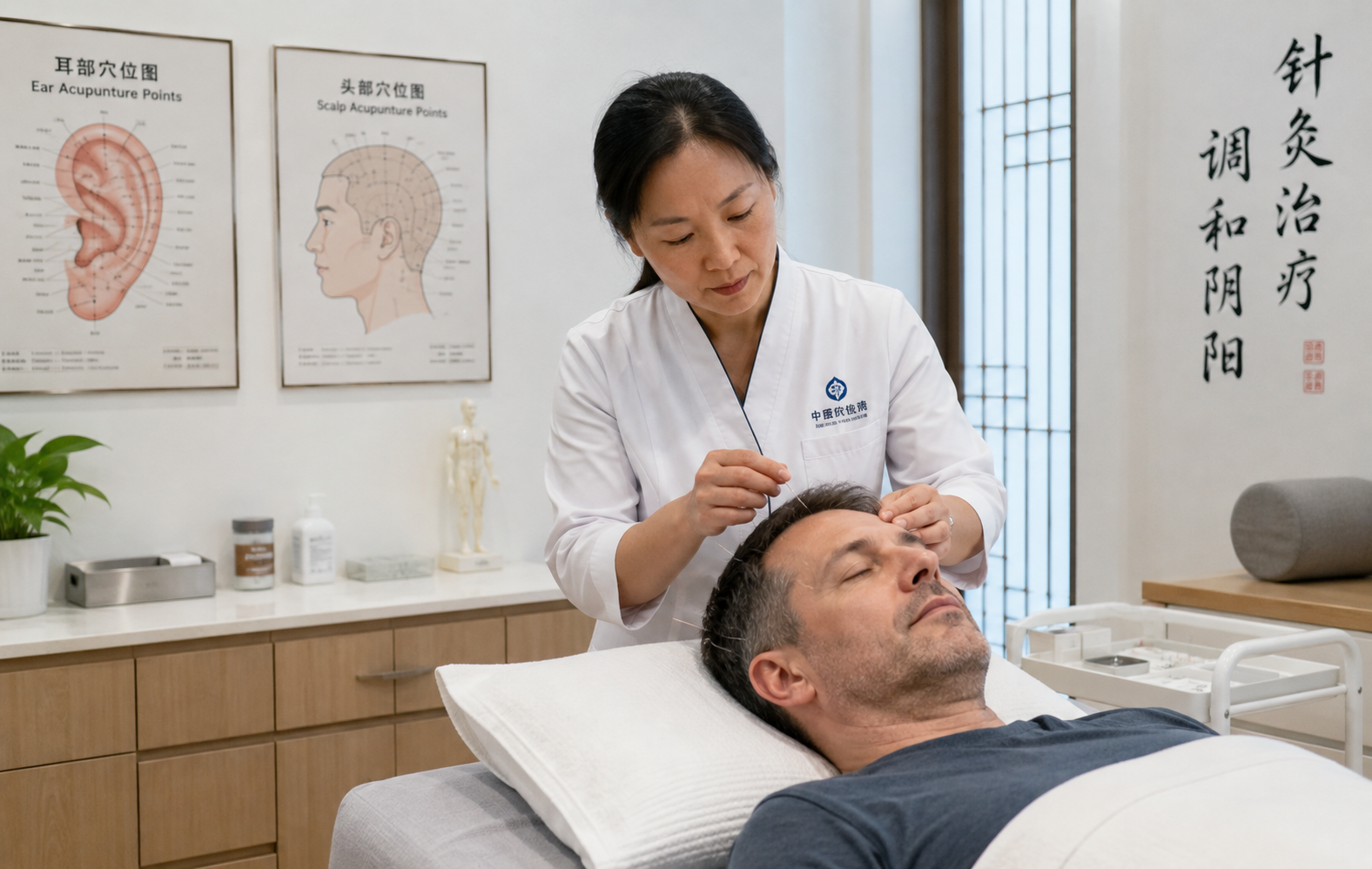
Tinnitus remains a major unresolved healthcare problem. China has specialised TCM schools for tinnitus and hearing disorders, but the current evidence is not yet strong enough to claim a proven unique treatment.

Evidence status: Research candidate; evidence still insufficient

Medical selection before travel

The options described are not a guarantee of treatment. Availability and suitability depend on diagnosis, indication, evidence level, individual risks and assessment by the treating medical team. Experimental care is identified as such.

Would you like to know whether a pathway could be medically appropriate?

A treatment journey always begins with an assessment of the diagnosis, medical history, previous treatments, medication, risks and the specific treatment objective.

Start medical intake